Unduh JAKLITERA Mobile




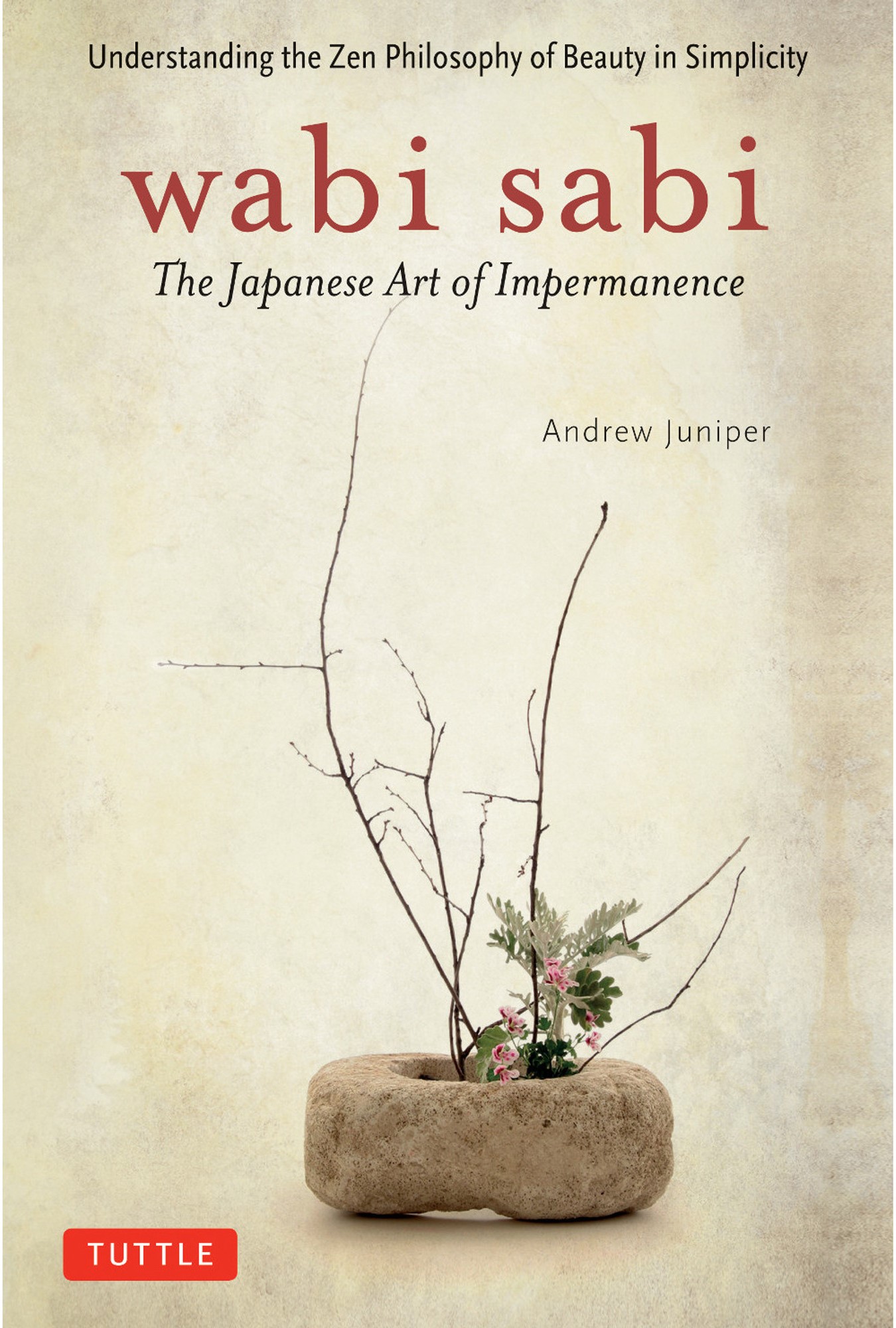
Wabi sabi : the japanese art of impermanence
Juniper, Andrew (Pengarang)
Tersedia di:
Deskripsi
Developed out of the aesthetic philosophy of cha-no-yu (the tea ceremony) in fifteenth-century Japan, wabi sabi is an aesthetic that finds beauty in things imperfect, impermanent, and incomplete. Taken from the Japanese words wabi, which translates to less is more, and sabi, which means attentive melancholy, wabi sabi refers to an awareness of the transient nature of earthly things and a corresponding pleasure in the things that bear the mark of this impermanence. As much a state of mind—an awareness of the things around us and an acceptance of our surroundings—as it is a design style, wabi sabi begs us to appreciate the pure beauty of life—a chipped vase, a quiet rainy day, the impermanence of all things. Presenting itself as an alternative to today's fast-paced, mass-produced, neon-lighted world, wabi sabi reminds us to slow down and take comfort in the natural beauty around us. In addition to presenting the philosophy of wabi-sabi, this book includes how-to design advice—so that a transformation of body, mind, and home can emerge.
Ulasan
Buku Rekomendasi Lainnya

Budidaya Labu Siam
RUKMANA, Rahmat

Step by step : Nokia E-Series
GUNAWAN, Setia ; Yoevestian, Whindy
Who was Albert Einstein?
BRALLIER, Jess
Matematika 1
BUDHI, Wono Setya

Rumah etnik Sunda
ANWAR, Hendi ; NUGRAHA, Hafizh Achmad ; Ita Puspitasari
A scent of love in london
HANACO, indah ; P. PARDEDE, Afrianty
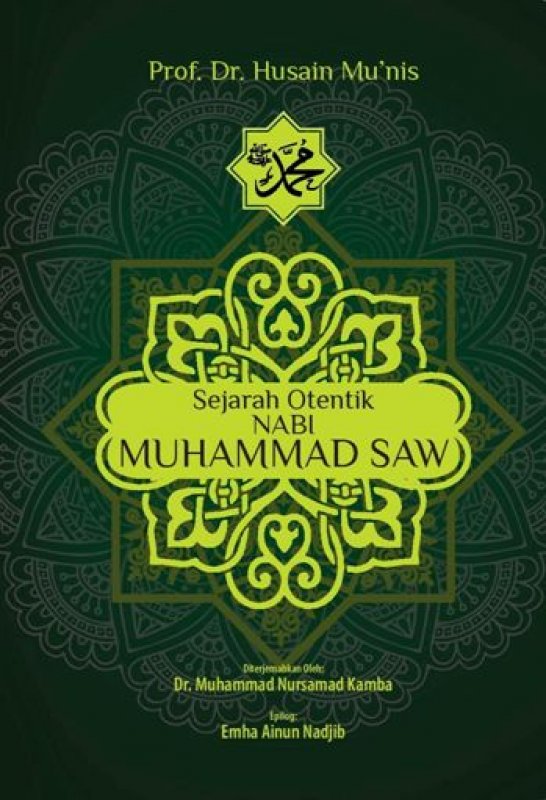
Sejarah Otentik Nabi Muhammad SAW
Husain Mu'nis

Perencanaan Pembelajaran
-

Pola dasar dan pecah pola busana wanita
; Nana Lystiani

Asian godfathers : Menguak tabir perselingkuhan pengusaha dan penguasa
-

Jangan Khawatir, Allah Bersamamu! : sebab Allah Pasti Menolongmu
-

Corporate social responsibility
-
Kisah Marty : si kancil
Harini Riana (Pengarang)

Susastra Volume 4, Nomor 1
penyunting, Yudhi Soenarto, M. Yoesoef, Sunu Wasono, Asep Sambodja (Pengarang)
